Home Nutrition for Faster Recovery: Best Foods and Foods to Avoid After Tooth Extraction in San Antonio
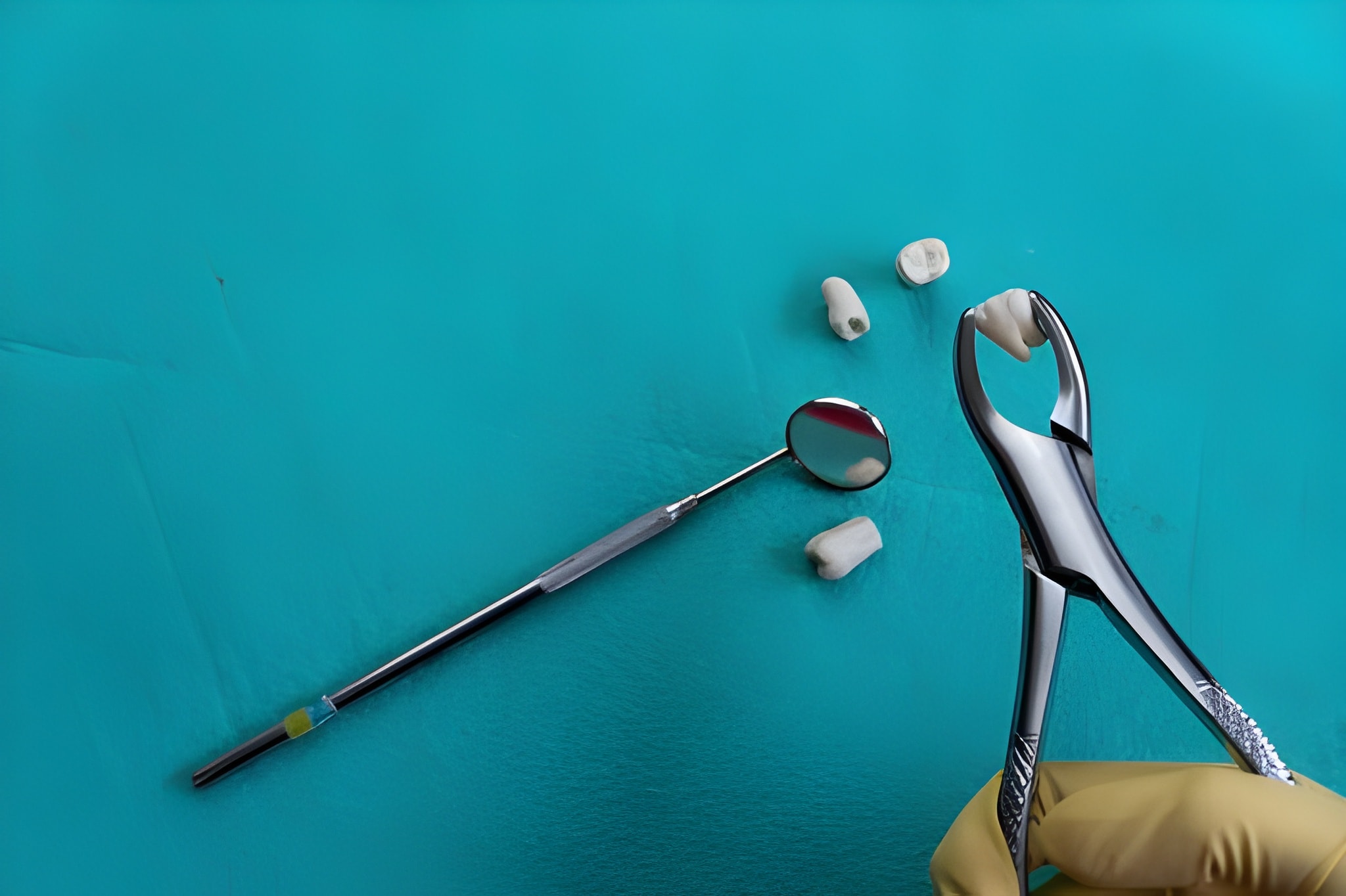
What you eat after a tooth extraction plays a big role in how quickly and comfortably you heal.
Proper nutrition not only helps keep you full but also supports your body’s tissue repair, helps prevent infection, and reduces swelling. Studies show that patients who maintain a balanced post-extraction diet recover nearly 30% faster than those who don’t.
Making smart food choices for San Francisco residents after a dental procedure is especially important. Knowing what to eat and what to avoid in a city with a warm climate and a love for flavourful Tex-Mex dishes can make recovery smoother and more enjoyable.
In this article, we will cover:
Continue reading as we learn more about tooth extraction in the following sections.
After a tooth extraction in San Antonio, healing isn’t just about resting; it’s also about what you eat. To fight infection, repair tissues, and restore energy, your body needs the right nutrients.
Yogurt, smoothies, mashed potatoes, soups, and scrambled eggs are soft, nutrient-rich options that should be included in your diet. These food items reduce the risk of irritating the extraction site or causing dry socket as they are easy to chew and gentle on your gums.
Eating properly after your tooth extraction helps you maintain energy levels, avoid fatigue, and recover more comfortably. Good nutrition truly makes a difference in how smoothly and quickly your mouth heals.
What you eat during and after the tooth extraction process can make a big difference in how quickly and comfortably you heal. The ultimate goal is to choose foods that are soft, nutritious, and easy on your mouth. Here is a simple guide to help you eat right during recovery.
Your mouth will be tender for the first few days, so it is recommended to stick to food items that do not require much chewing. Soft foods help protect the extraction site from irritation and make your eating experience more comfortable.
Try options like:
To speed up your healing and tissue repair, protein plays a very important role. It also helps reduce inflammation and promotes cell repair.
Includes food items such as:
Certain vitamins and minerals help your gums and tissues recover faster.
Staying hydrated is just as important as eating right. Water helps flush toxins from your body and keeps your mouth moist, which supports better healing.
Your mouth needs time and care to heal properly after getting a tooth extraction. The choices that you make in the first few days, starting from what you eat to your daily habits, can make a big difference in how quickly and comfortably you recover. Here are some important foods and habits you should avoid, as shared by an experienced dentist in San Antonio.
It’s best to skip foods like nuts, chips, popcorn, or crusty bread right after your extraction. These foods can easily poke, irritate, or even reopen the wound site. Small crumbs or sharp pieces may also get stuck in the socket, causing discomfort or infection. Instead, stick to soft foods such as yogurt, mashed potatoes, or smoothies (without a straw).
Foods such as peppers, salsa, or citrus juices that are too hot and spicy can trigger pain and slow down healing. Acid and spices can irritate the extraction area and even cause unnecessary inflammation. Choose mild, soothing options, such as soups after they are cooled, or soft scrambled eggs, and try to eat foods at room temperature.
Candy, soda, and processed snacks might seem tempting, but they’re not your friends during recovery. These foods can create a breeding ground for bacteria, which increases the risk of infection. They can also slow down the healing process by affecting your body’s natural recovery functions.
This is one of the most important things that you should avoid. When we drink anything through a straw or smoke, the suction created can dislodge the blood clot that forms over the wound. Losing this clot can later lead to a painful condition known as dry socket. Avoid straws and smoking for at least a few days after your extraction, for a smooth and pain-free recovery.
Stick to soft foods and eat smaller portions throughout the day. This keeps your energy levels steady and avoids putting pressure on the treated area.
After every meal, rinse your mouth gently with warm salt water, but only if your dentist recommends it. This helps to soothe your gums and prevent any infection.